
Ice damage is one of the most expensive and frustrating winter problems homeowners face. When snow melts and refreezes along the edge of a roof, it can form thick ridges of ice that trap water behind them. That trapped water has nowhere to go except under shingles and into the home.
Many people assume the issue starts on the roof. In reality, it often starts in the attic.
At Signature Exteriors, we have seen how proper attic insulation and ventilation can make the difference between a roof that survives winter and one that develops costly damage.
How Ice Dams Form
Ice dams form when warm air from inside the home rises into the attic and heats the roof from underneath. Snow on the upper portion of the roof begins to melt. As that melted water runs down toward the colder eaves, it refreezes.
Over time, ice builds up along the roof’s edge. As more snow melts, water backs up behind the ice ridge and can slip beneath shingles, soaking into underlayment, decking, insulation, and even interior ceilings.
The key factor is uneven roof temperature. And that often comes back to what is happening inside the attic.
The Role of Attic Insulation
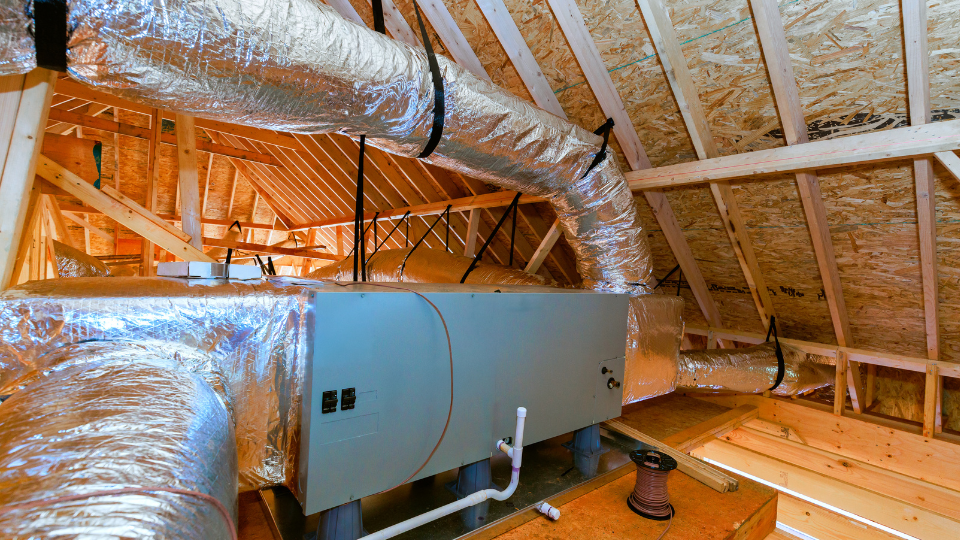
Attic insulation acts as a barrier between the living space and the roof. When insulation is insufficient, damaged, or poorly installed, heat escapes more easily into the attic.
That escaping heat warms the roof deck, even when outdoor temperatures are below freezing. The result is repeated melting and refreezing cycles that create ice dams.
Proper insulation helps keep warm air inside the living areas where it belongs. By maintaining a consistent roof temperature, it reduces the conditions that lead to ice buildup.
Why Ventilation Matters Too
Insulation works best when paired with proper attic ventilation. Ventilation allows cold outdoor air to circulate through the attic, helping regulate temperature and moisture levels.
Without ventilation, trapped heat and humidity can build up, increasing the likelihood of melting snow and condensation problems. A balanced system of intake and exhaust vents helps maintain a cold, dry attic in winter, which supports the roof’s performance.
Warning Signs of Insulation Problems
Homeowners may not notice attic insulation issues until damage appears. However, some common signs include:
• Large icicles hanging from gutters
• Ice buildup along the roof edge
• Uneven snow melt patterns on the roof
• Drafts or inconsistent indoor temperatures
• Higher than expected heating bills
These clues often point to heat loss through the attic.
The Cost of Ignoring the Problem
Ice damage can affect more than shingles. Water intrusion can lead to:
• Rotting roof decking
• Mold growth in insulation
• Stained or sagging ceilings
• Damaged gutters and fascia
Repairing interior water damage can quickly become more expensive than addressing insulation and ventilation issues early.
A Preventive Approach With Signature Exteriors
Preventing ice damage is not just about clearing snow from the roof. It starts with evaluating how well the attic is insulated and ventilated.
At Signature Exteriors, our team looks at the full roofing system, including attic conditions that may be contributing to winter damage. By identifying insulation gaps, ventilation imbalances, and roofing vulnerabilities, we help homeowners protect their property before problems escalate.
A properly insulated and ventilated attic keeps roof temperatures consistent, reduces the risk of ice dams, and supports the long-term health of the home.
If you have noticed signs of ice buildup or winter roof issues, Signature Exteriors can assess your system and recommend practical solutions to help prevent future damage.