
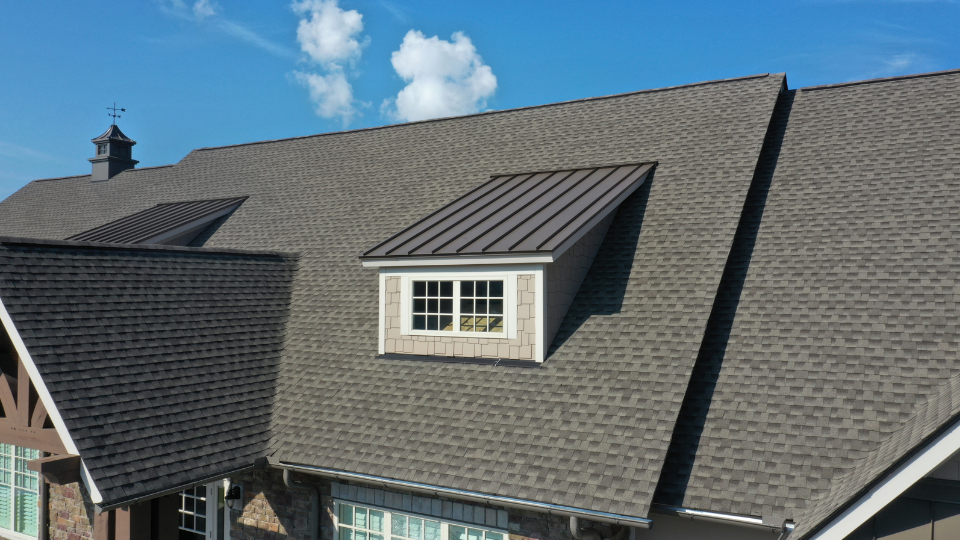
When homeowners think about energy efficiency, they often focus on HVAC systems, windows, or insulation. While these elements all play important roles, the roof is another major factor that affects how much energy a home uses throughout the year.
Your roof is constantly exposed to sunlight, heat, wind, and changing weather conditions. The materials, color, and overall condition of the roof can influence indoor temperatures and determine how hard your heating and cooling systems have to work.
At Signature Exteriors, we help homeowners understand how roofing decisions affect both comfort and energy costs. Here are some of the key ways your roof impacts energy use.
Roofing Material Influences Heat Absorption
Different roofing materials absorb and release heat at different rates. Some materials retain more heat from the sun, while others reflect a greater amount of solar energy away from the home.
The type of roofing material can affect:
Indoor temperatures
Cooling demands during summer
Overall energy efficiency
Choosing the right material for your climate can help reduce the strain placed on your HVAC system throughout the year.
Roof Color Affects Cooling Costs
Roof color may seem like a cosmetic decision, but it can also impact energy performance.
Darker roofs tend to absorb more heat from the sun, while lighter-colored roofs reflect more sunlight.
This can lead to:
Higher attic temperatures
Increased cooling demands
Greater energy consumption during warm months
In many cases, reflective roofing options can help reduce heat buildup and improve comfort inside the home.
Proper Ventilation Supports Energy Efficiency
A roof system includes more than shingles. Ventilation plays a critical role in regulating temperatures inside the attic.
Without proper ventilation, heat can become trapped beneath the roof.
This may result in:
Hotter attic spaces
Increased HVAC workload
Uneven temperatures throughout the home
A well-ventilated roofing system helps move excess heat and moisture out of the attic, supporting better overall efficiency.
Roof Condition Can Impact Insulation Performance
Even high-quality insulation can struggle if the roof allows moisture to enter the home.
Roof damage such as missing shingles, leaks, or deteriorating flashing can lead to moisture problems that affect insulation performance.
Signs of potential issues include:
Water stains on ceilings
Damp attic insulation
Higher-than-normal energy bills
Keeping the roof in good condition helps protect the insulation that contributes to energy savings.
Aging Roofs May Reduce Efficiency
As roofs age, materials naturally wear down from years of exposure to the elements.
Older roofs may experience:
Reduced reflective properties
Increased vulnerability to leaks
Decreased overall performance
While a roof may still appear functional, age-related wear can gradually affect the home's energy efficiency.
Air Leaks Around Roofing Components
Gaps around vents, chimneys, skylights, and other roof penetrations can allow conditioned air to escape and outdoor air to enter.
These air leaks often contribute to:
Drafts inside the home
Higher heating and cooling costs
Reduced indoor comfort
Routine inspections can help identify and address areas where energy may be escaping.
Energy-Efficient Roofing Can Lower Long-Term Costs
Modern roofing products are designed with energy performance in mind. Many options provide improved reflectivity, durability, and ventilation support compared to older roofing systems.
Potential benefits include:
Lower cooling costs
More consistent indoor temperatures
Reduced HVAC strain
Improved long-term energy efficiency
The right roofing system can provide savings long after installation is complete.
Improve Home Efficiency With Signature Exteriors
Your roof does more than protect your home from the elements. It also plays a significant role in indoor comfort and energy use.
At Signature Exteriors, we help homeowners evaluate roofing systems and identify opportunities to improve performance, durability, and efficiency. Whether you're considering a roof replacement or simply want to understand how your current roof is performing, professional guidance can help you make informed decisions.
If you're concerned about rising energy costs or the condition of your roof, now may be the right time to schedule an evaluation and explore your options.