
When most homeowners think about roof damage, they picture hailstorms, heavy rain, or strong winds. But one of the biggest threats to your roof during the summer is something you can't see: poor ventilation.
Proper roof ventilation helps regulate attic temperatures and moisture levels throughout the year. During the hot summer months, a poorly ventilated attic can become dangerously hot, forcing your roofing system to work harder than it should. Over time, this trapped heat can shorten the life of your roof and lead to expensive repairs.
Here's what every homeowner should know about summer roof ventilation and the warning signs that your roof may not be breathing properly.
Why Roof Ventilation Matters
Your attic is designed to allow fresh air to enter through intake vents and hot air to escape through exhaust vents. This continuous airflow helps maintain a consistent temperature beneath your roof.
When ventilation is restricted or improperly designed, heat builds up inside the attic. On a sunny summer day, attic temperatures can exceed 150 degrees Fahrenheit. That excessive heat doesn't just stay in the attic. It affects every component of your roofing system.
A well-ventilated roof can:
Extend the lifespan of roofing materials
Reduce heat buildup inside your home
Improve energy efficiency
Help prevent moisture-related damage
Protect roof decking and insulation
Common Summer Roof Ventilation Problems
Blocked Intake Vents
Soffit vents are responsible for bringing cooler outside air into the attic. Over time, insulation, dirt, nesting animals, or debris can block these vents, preventing proper airflow.
Without adequate intake, hot air becomes trapped, creating excessive attic temperatures that speed up roof deterioration.
Insufficient Exhaust Ventilation
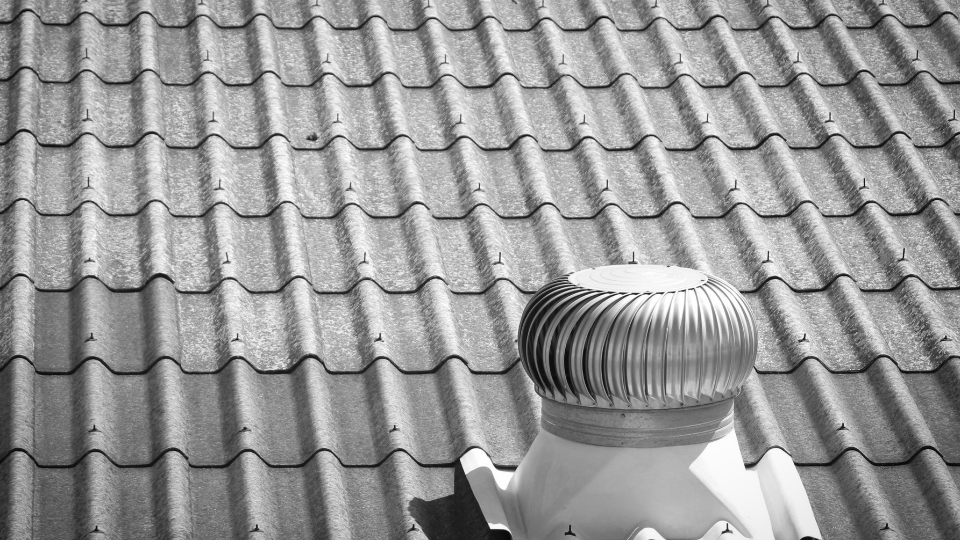
Hot air must have a way to escape. Ridge vents, roof vents, or powered attic fans all serve this purpose.
If your roof doesn't have enough exhaust ventilation or if vents are damaged, heat accumulates beneath the roof deck. This constant exposure can cause roofing materials to age much faster than expected.
Improper Ventilation Balance
Ventilation works best when intake and exhaust systems are properly balanced.
Adding extra roof vents without increasing intake airflow often creates ineffective circulation. Likewise, having plenty of soffit vents without sufficient exhaust leaves warm air with nowhere to go.
An experienced roofing contractor can evaluate whether your ventilation system is properly sized for your home's design.
How Excess Heat Damages Your Roof
Asphalt Shingles Deteriorate Faster
High attic temperatures essentially "cook" asphalt shingles from underneath.
Over time, homeowners may notice:
Curling edges
Cracking
Blistering
Granule loss
Fading
These signs often appear years earlier on roofs with poor ventilation.
Roof Decking Can Warp
Roof decking expands and contracts as temperatures fluctuate.
When excessive heat remains trapped in the attic day after day, wooden roof decking may begin to warp or weaken, creating an unstable foundation for your roofing materials.
Roofing Components Age Prematurely
Flashing, sealants, underlayment, and adhesives all perform best within certain temperature ranges.
Continuous exposure to extreme attic heat accelerates aging, increasing the likelihood of leaks and repair needs.
Higher Cooling Bills Are Often a Warning Sign
Your roof doesn't just protect your home from the weather. It also helps regulate indoor comfort.
When attic temperatures soar because of poor ventilation, heat radiates into your living space. Your air conditioner has to run longer and work harder to maintain comfortable indoor temperatures.
If you've noticed rising summer energy bills without a clear explanation, inadequate attic ventilation could be contributing to the problem.
Signs Your Roof May Have Ventilation Issues
Many homeowners don't realize they have ventilation problems until roof damage becomes visible.
Watch for these warning signs:
Extremely hot attic temperatures
Uneven indoor temperatures
Higher-than-normal cooling costs
Curling or blistering shingles
Premature roof aging
Mold or mildew inside the attic
Rust on attic nails or metal components
Persistent musty odors
If you notice several of these symptoms, it's a good idea to schedule a professional roof inspection.
Preventing Premature Roof Wear
Fortunately, ventilation issues can often be corrected before they lead to significant roof damage.
Regular roof inspections can identify blocked vents, damaged ventilation components, or improper airflow. Small adjustments today may help extend the life of your roof for years to come.
A qualified roofing professional can determine whether your current ventilation system meets your home's needs and recommend improvements if necessary.
Protect Your Roof This Summer
Summer heat puts every roofing system to the test. Without proper ventilation, that heat can silently shorten the lifespan of your roof while increasing energy costs and creating conditions for future damage.
At Signature Exteriors, we help homeowners identify roofing problems before they become costly repairs. Whether you're concerned about ventilation, aging shingles, or overall roof performance, our experienced team provides honest inspections and expert recommendations designed to keep your home protected.
Schedule a roof inspection with Signature Exteriors today and make sure your roof is ready to handle the summer heat.