
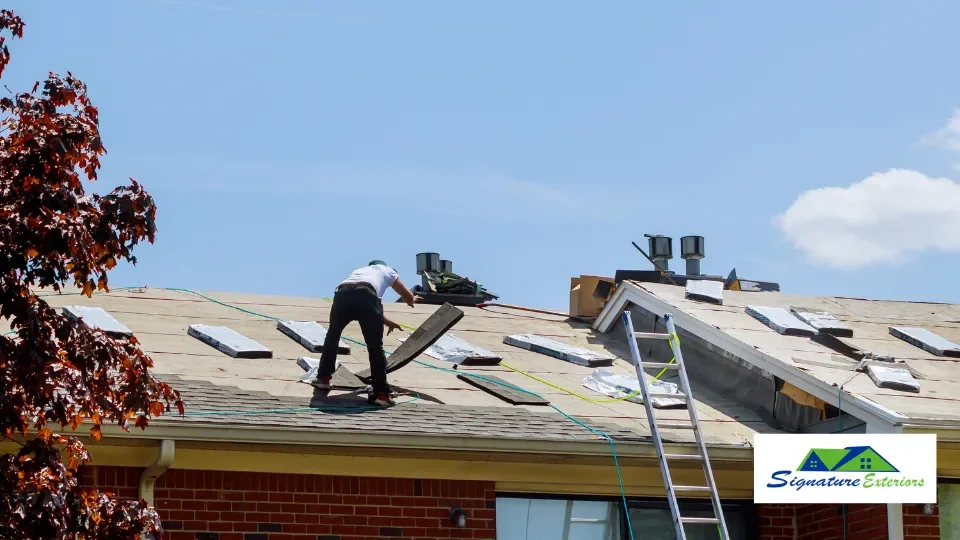
Roof repairs can address isolated leaks, damaged shingles, loose flashing, and other localized problems. When the roof is still in good overall condition, a targeted repair may extend its useful service life without the expense of full replacement.
Repairs become less practical when damage is widespread, leaks keep returning, or hidden moisture has affected the roof deck and insulation. At that point, continuing to patch individual areas may cost more over time than replacing the complete roofing system.
Understanding the difference can help homeowners make a more informed financial decision.
When a Roof Repair Still Makes Sense
A repair is often appropriate when the problem is limited to a small, clearly identified area. Examples include a few missing shingles, damaged flashing around a chimney, a minor vent leak, or storm damage confined to one roof section.
The roof’s age and overall condition are important. A relatively young roof with sound decking and well-maintained materials may respond well to localized repairs.
A contractor should still inspect surrounding areas before completing the work. Water can travel beneath roofing materials and enter the home far from the visible stain. Finding the source is critical to preventing another leak.
Repeated Repairs Can Signal a Larger Problem
One repair does not automatically mean a roof needs replacement. Several repairs within a short period may tell a different story.
Recurring leaks can indicate that shingles, underlayment, flashing, or roof penetrations are failing in multiple locations. If each storm reveals another weak area, individual repairs may only provide temporary relief.
Keep records of repair dates, locations, and costs. This history can show how frequently problems are occurring and how much has already been spent. When repair expenses continue rising without creating reliable performance, replacement deserves serious consideration.
Widespread Material Damage Changes the Calculation
A few damaged shingles can often be replaced. Large areas of curling, cracking, blistering, granule loss, or missing material may point to broader roof deterioration.
On other roofing systems, warning signs may include corrosion, open seams, punctured membranes, loose fasteners, or failing coatings. Damage across several roof slopes is more difficult to address through isolated repairs.
Material availability can also affect the decision. Older shingles, tiles, or metal panels may no longer be manufactured. A repair using mismatched materials may create an uneven appearance or fail to integrate properly with the existing system.
When deterioration covers a significant portion of the roof, replacement may provide better value than paying for a series of temporary patches.
Moisture Below the Surface Requires Attention
Visible roofing materials are only one part of the system. Water can also damage the underlayment, roof deck, rafters, insulation, ceilings, and interior finishes.
Soft decking, dark attic stains, mold growth, damp insulation, or sagging areas can indicate that moisture has moved beyond the outer roof covering. Replacing a few shingles will not correct damaged materials below them.
A complete inspection should identify the full extent of moisture damage. If large sections of decking or insulation require replacement, combining that work with a new roof may be more economical.
Roof Age Is Useful, but It Is Not the Only Factor
Every roofing material has an expected service range, but age alone should not determine the decision. Installation quality, ventilation, weather exposure, maintenance, roof pitch, tree coverage, and storm history all influence performance.
A newer roof can fail early after poor installation or severe weather. An older roof may remain serviceable if it was installed correctly and maintained consistently.
Age becomes more significant when it appears alongside repeated leaks, widespread wear, brittle materials, and rising repair costs. A professional assessment can help determine how much useful service the roof may realistically have left.
Interior Damage Adds to Repair Costs
The price of a roof leak is not limited to exterior repairs. Water intrusion can damage drywall, paint, flooring, electrical components, furniture, and insulation.
Recurring leaks may also lead to odors and indoor moisture problems. These secondary costs can quickly exceed the price of the original roof repair.
Waiting for a failing roof to produce another leak can be expensive, especially during heavy rain or when homeowners are away. Replacement may offer better financial protection when the risk of continued interior damage becomes high.
Consider the Remaining Value of Each Repair
A low repair estimate can look appealing, but price should be considered alongside the expected result.
A repair that provides several reliable years may be a smart investment. A repair likely to last only until another aging section fails may offer little value.
Homeowners should compare the proposed repair cost with the roof’s remaining service potential. They should also consider upcoming plans for the property. Someone preparing to remain in the home for many years may evaluate replacement differently from someone addressing a single defect on an otherwise stable roof.
The goal is to select the option that provides the strongest value, not simply the lowest immediate price.
Schedule an Inspection Before Deciding
A roof cannot be evaluated accurately from the ground alone. A professional inspection should examine shingles or other covering materials, flashing, penetrations, valleys, drainage, ventilation, attic conditions, and accessible roof decking.
Regular inspections can identify developing problems before they cause extensive damage. The roof should also be checked after severe wind, hail, falling branches, or other major weather events.
Ask for clear documentation of the damage and an explanation of both repair and replacement options. A trustworthy recommendation should account for the roof’s full condition, not only the most visible defect.
Make the Choice Based on the Complete Roof
Roof repairs are valuable when damage is limited and the remaining system is sound. Replacement becomes more practical when leaks recur, materials are failing across large areas, moisture has reached underlying components, or repair costs continue to accumulate.
Signature Exteriors can inspect your roof, explain the condition of its major components, and help you compare repair and replacement options. Contact Signature Exteriors to schedule a professional roof assessment before the next leak creates additional damage.